

มะเร็งปอดมีกี่ชนิด?

How Many Types of Lung Cancer Are There?

รู้ทัน “มะเร็งปอด” ภัยเงียบที่คร่าชีวิตคนจำนวนมากโดยไม่รู้ตัว

มะเร็งปอดเป็นหนึ่งในโรคมะเร็งที่พบได้บ่อยและเป็นสาเหตุสำคัญของการเสียชีวิตจากโรคมะเร็งทั่วโลก โดยในระยะแรกของโรค ผู้ป่วยจำนวนมากอาจไม่มีอาการผิดปกติที่ชัดเจน ทำให้การวินิจฉัยมักเกิดขึ้นเมื่อโรคลุกลามแล้ว
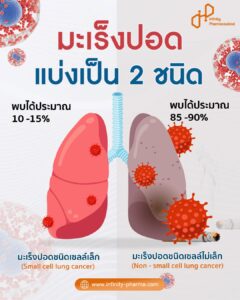
🔹มะเร็งปอดมีกี่ชนิด?

มะเร็งปอดสามารถแบ่งออกเป็น 2 ชนิดหลัก ตามลักษณะของเซลล์มะเร็ง ดังนี้

1. มะเร็งปอดชนิดเซลล์ไม่เล็ก (Non-Small Cell Lung Cancer: NSCLC)

เป็นชนิดที่พบได้บ่อยที่สุด คิดเป็นประมาณ 80-85% ของผู้ป่วยมะเร็งปอดทั้งหมด

ลักษณะสำคัญของมะเร็งชนิดนี้คือการเจริญเติบโตและการแพร่กระจายของเซลล์มะเร็งค่อนข้างช้ากว่ามะเร็งปอดชนิดเซลล์เล็ก ทำให้หากตรวจพบตั้งแต่ระยะเริ่มต้น ผู้ป่วยมีโอกาสได้รับการรักษาอย่างมีประสิทธิภาพ และในบางรายอาจสามารถรักษาให้หายขาดได้

แนวทางการรักษาอาจประกอบด้วย

  • การผ่าตัด
  • การฉายรังสี
  • การให้ยาเคมีบำบัด
  • การรักษาแบบมุ่งเป้า (Targeted Therapy)
  • ภูมิคุ้มกันบำบัด (Immunotherapy)

2. มะเร็งปอดชนิดเซลล์เล็ก (Small Cell Lung Cancer: SCLC)

แม้จะพบได้น้อยกว่ามะเร็งปอดชนิดเซลล์ไม่เล็ก แต่เป็นชนิดที่มีความรุนแรงสูง เซลล์มะเร็งมีการแบ่งตัวรวดเร็วและสามารถแพร่กระจายไปยังอวัยวะอื่นได้อย่างรวดเร็ว

มะเร็งชนิดนี้มักสัมพันธ์กับการสูบบุหรี่เป็นเวลานาน และมักถูกตรวจพบในระยะที่โรคลุกลามแล้ว

แนวทางการรักษาหลัก ได้แก่

  • การให้ยาเคมีบำบัด
  • การฉายรังสี
  • การรักษาร่วมหลายวิธีตามความเหมาะสมของผู้ป่วยแต่ละราย

🔹ปัจจัยเสี่ยงของมะเร็งปอด

ปัจจัยที่เพิ่มความเสี่ยงในการเกิดมะเร็งปอด ได้แก่

  • การสูบบุหรี่และการได้รับควันบุหรี่มือสอง
  • การสัมผัสสารก่อมะเร็ง เช่น แร่ใยหิน (Asbestos) หรือก๊าซเรดอน
  • มลภาวะทางอากาศ
  • ประวัติคนในครอบครัวเป็นมะเร็งปอด
  • โรคปอดเรื้อรังบางชนิด

🔹การป้องกันและการตรวจคัดกรอง

การป้องกันที่ดีที่สุด คือการหลีกเลี่ยงปัจจัยเสี่ยง โดยเฉพาะการสูบบุหรี่ รวมถึงการดูแลสุขภาพปอดและตรวจสุขภาพเป็นประจำ

สำหรับผู้ที่มีความเสี่ยงสูง เช่น ผู้สูบบุหรี่เป็นเวลานาน ควรปรึกษาแพทย์เกี่ยวกับการตรวจคัดกรองมะเร็งปอด เพื่อเพิ่มโอกาสในการค้นพบโรคตั้งแต่ระยะเริ่มต้น

🔹เพราะ “การรู้เร็ว = โอกาสรอดสูงขึ้น”

มะเร็งปอดเป็นโรคที่สามารถรักษาได้ หากตรวจพบตั้งแต่ระยะแรก การสังเกตอาการผิดปกติของร่างกาย เข้ารับการตรวจสุขภาพอย่างสม่ำเสมอ และหลีกเลี่ยงปัจจัยเสี่ยง จึงเป็นสิ่งสำคัญที่จะช่วยเพิ่มโอกาสในการรักษาและคุณภาพชีวิตที่ดีในระยะยาว

Understanding Lung Cancer: A Silent Disease That Claims Many Lives Without Warning

Lung cancer is one of the most common cancers worldwide and remains a leading cause of cancer-related deaths. In its early stages, many patients experience few or no noticeable symptoms, which often leads to delayed diagnosis until the disease has already progressed.

Types of Lung Cancer

Lung cancer is generally classified into two main types based on the characteristics of the cancer cells:

1. Non-Small Cell Lung Cancer (NSCLC)

Non-Small Cell Lung Cancer (NSCLC) is the most common type, accounting for approximately 80–85% of all lung cancer cases.

This type of lung cancer typically grows and spreads more slowly than Small Cell Lung Cancer. When detected at an early stage, treatment can be highly effective, and some patients may even achieve a complete cure.

Treatment options may include:

  • Surgery
  • Radiation therapy
  • Chemotherapy
  • Targeted therapy
  • Immunotherapy

2. Small Cell Lung Cancer (SCLC)

Although less common, Small Cell Lung Cancer (SCLC) is considered more aggressive. Cancer cells divide rapidly and can spread quickly to other parts of the body.

SCLC is strongly associated with long-term cigarette smoking and is often diagnosed after the disease has already advanced.

Common treatment approaches include:

  • Chemotherapy
  • Radiation therapy
  • Combination treatment strategies tailored to each patient

Risk Factors for Lung Cancer

Several factors can increase the risk of developing lung cancer, including:

  • Cigarette smoking and exposure to secondhand smoke
  • Exposure to carcinogens such as asbestos and radon gas
  • Air pollution
  • Family history of lung cancer
  • Certain chronic lung diseases

Prevention and Screening

The best way to reduce the risk of lung cancer is to avoid known risk factors, especially smoking. Maintaining good lung health and attending regular health check-ups are also important preventive measures.

Individuals at high risk, such as long-term smokers, should consult their healthcare provider about lung cancer screening. Early detection can significantly improve treatment outcomes and survival rates.

Early Detection Saves Lives

Lung cancer is a disease that can often be treated more successfully when detected in its early stages. Paying attention to unusual symptoms, undergoing regular health screenings, and minimizing exposure to risk factors can help increase the chances of successful treatment and improve long-term quality of life.

Because early detection means a better chance of survival.