
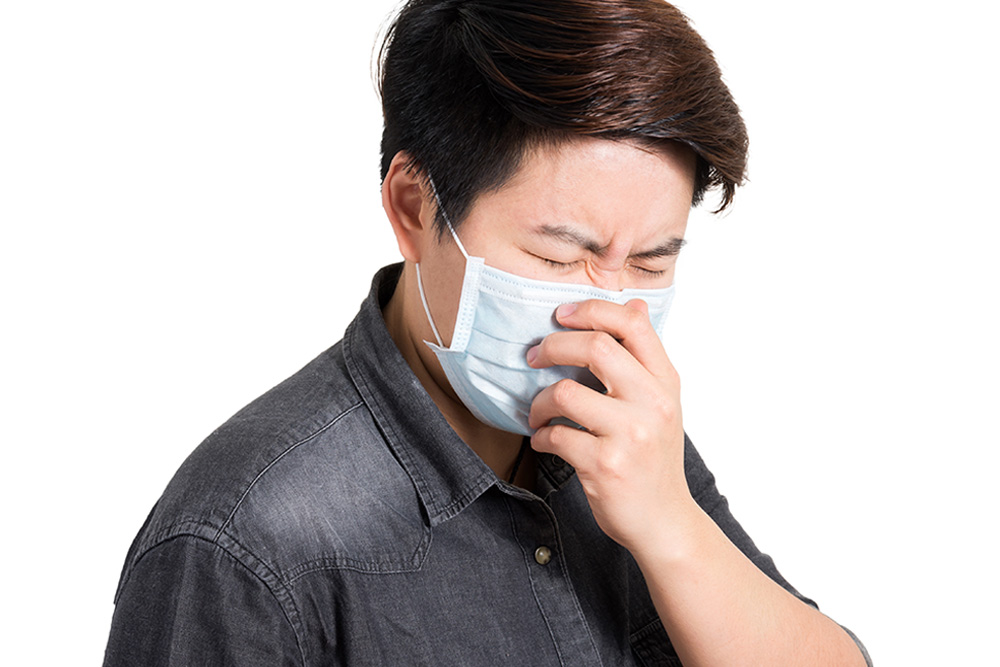
วัณโรค โรคติดต่อที่ยังพบได้ในปัจจุบัน

Tuberculosis: A Contagious Disease That Still Exists Today

วัณโรค โรคติดต่อที่ยังพบได้ในปัจจุบัน รู้ทัน ป้องกันได้ รักษาหายได้
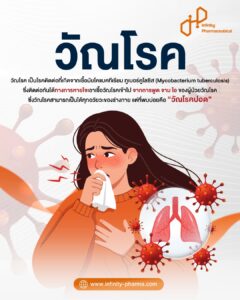
🔹วัณโรคคืออะไร?

วัณโรค (Tuberculosis หรือ TB) เป็นโรคติดเชื้อที่เกิดจากเชื้อแบคทีเรีย Mycobacterium tuberculosis โดยมักพบการติดเชื้อที่ปอดเป็นหลัก แต่ในบางกรณี เชื้อสามารถแพร่กระจายไปยังอวัยวะอื่นของร่างกาย เช่น ต่อมน้ำเหลือง กระดูก สมอง หรือไตได้

แม้ว่าหลายคนจะเข้าใจว่าวัณโรคเป็นโรคในอดีตที่พบได้น้อยลงแล้ว แต่ในความเป็นจริง วัณโรคยังคงเป็นปัญหาสาธารณสุขที่พบได้ทั่วโลก รวมถึงในประเทศไทย

🔹วัณโรคติดต่อได้อย่างไร?

วัณโรคเป็นโรคที่แพร่กระจายผ่านทางอากาศ เมื่อผู้ป่วยวัณโรคที่มีเชื้อในปอดหรือทางเดินหายใจ ไอ จาม พูดคุย หรือหัวเราะ จะมีละอองฝอยขนาดเล็กที่ปนเปื้อนเชื้อกระจายออกสู่สิ่งแวดล้อม

หากบุคคลอื่นสูดหายใจเอาละอองฝอยที่มีเชื้อเข้าไป เชื้ออาจเข้าสู่ร่างกายและก่อให้เกิดการติดเชื้อได้ โดยเฉพาะผู้ที่อยู่ใกล้ชิดกับผู้ป่วยเป็นเวลานาน

🔹อาการที่ควรระวัง

อาการของวัณโรคปอดที่พบบ่อย ได้แก่

  • ไอเรื้อรังนานเกิน 2 สัปดาห์
  • ไอมีเสมหะ หรือมีเลือดปน
  • มีไข้ต่ำ ๆ โดยเฉพาะช่วงบ่ายหรือกลางคืน
  • เหงื่อออกมากตอนกลางคืน
  • อ่อนเพลีย เหนื่อยง่าย
  • เบื่ออาหาร
  • น้ำหนักลดโดยไม่ทราบสาเหตุ

หากมีอาการดังกล่าว ควรรีบปรึกษาแพทย์เพื่อรับการตรวจวินิจฉัยอย่างเหมาะสม

วัณโรครักษาหายได้

ข่าวดีคือ วัณโรคเป็นโรคที่สามารถรักษาให้หายได้ หากได้รับการวินิจฉัยตั้งแต่ระยะเริ่มต้นและรับประทานยาตามแผนการรักษาของแพทย์อย่างต่อเนื่อง

ผู้ป่วยจำเป็นต้องรับประทานยาต้านวัณโรคอย่างสม่ำเสมอเป็นระยะเวลาหลายเดือน การหยุดยาเองหรือรับประทานยาไม่ครบตามกำหนด อาจทำให้เกิดภาวะเชื้อดื้อยา ซึ่งรักษาได้ยากขึ้นและใช้เวลานานกว่าเดิม

🔹การป้องกันวัณโรค

สามารถลดความเสี่ยงในการติดเชื้อวัณโรคได้ด้วยวิธีดังต่อไปนี้

  • หลีกเลี่ยงการสัมผัสใกล้ชิดกับผู้ป่วยวัณโรคที่ยังไม่ได้รับการรักษา
  • สวมหน้ากากอนามัยเมื่ออยู่ในสถานที่แออัดหรืออากาศถ่ายเทไม่สะดวก
  • ดูแลสุขภาพให้แข็งแรง รับประทานอาหารที่มีประโยชน์ และพักผ่อนให้เพียงพอ
  • เข้ารับการตรวจสุขภาพเมื่อมีอาการผิดปกติ
  • ปฏิบัติตามคำแนะนำของแพทย์อย่างเคร่งครัดหากได้รับการวินิจฉัยว่าติดเชื้อ

🔹สรุป

วัณโรคยังคงเป็นโรคติดต่อที่พบได้ในปัจจุบัน และสามารถแพร่กระจายผ่านทางระบบทางเดินหายใจได้ง่าย อย่างไรก็ตาม หากได้รับการตรวจวินิจฉัยอย่างรวดเร็วและเข้ารับการรักษาอย่างต่อเนื่อง วัณโรคเป็นโรคที่สามารถรักษาให้หายได้

การรู้เท่าทันโรค สังเกตอาการผิดปกติ และเข้ารับการตรวจเมื่อมีความเสี่ยง เป็นสิ่งสำคัญที่จะช่วยลดการแพร่กระจายของวัณโรค และสร้างสุขภาพที่ดีให้กับทั้งตนเองและสังคม

Tuberculosis (TB): An Infectious Disease That Still Exists Today — Know It, Prevent It, Treat It

What is Tuberculosis?

Tuberculosis (TB) is an infectious disease caused by the bacterium Mycobacterium tuberculosis. It most commonly affects the lungs, a condition known as pulmonary tuberculosis. However, in some cases, the infection can spread to other parts of the body, including the lymph nodes, bones, brain, and kidneys.

Although many people believe that tuberculosis is a disease of the past, it remains a significant public health concern worldwide, including in Thailand.

How Does Tuberculosis Spread?

Tuberculosis is an airborne disease. When a person with active pulmonary TB coughs, sneezes, speaks, or laughs, tiny droplets containing TB bacteria can be released into the air.

People who inhale these airborne droplets may become infected, especially those who spend prolonged periods in close contact with an infected individual.

Common Symptoms of Pulmonary Tuberculosis

Symptoms of pulmonary TB may include:

  • A persistent cough lasting more than two weeks
  • Coughing up sputum or blood
  • Low-grade fever, particularly in the afternoon or evening
  • Night sweats
  • Fatigue and weakness
  • Loss of appetite
  • Unexplained weight loss

Anyone experiencing these symptoms should seek medical attention for proper evaluation and diagnosis.

Tuberculosis Can Be Cured

The good news is that tuberculosis is a curable disease. Early diagnosis and appropriate treatment significantly improve outcomes.

Treatment typically involves taking a combination of anti-tuberculosis medications for several months. It is essential to take the medications exactly as prescribed and complete the full course of treatment. Stopping medication early or missing doses may lead to drug-resistant TB, which is more difficult and time-consuming to treat.

How to Prevent Tuberculosis

You can reduce your risk of TB infection by:

  • Avoiding close contact with individuals who have untreated active TB
  • Wearing a face mask in crowded or poorly ventilated environments
  • Maintaining a healthy lifestyle through proper nutrition and adequate rest
  • Seeking medical evaluation when experiencing suspicious symptoms
  • Following your healthcare provider’s recommendations if diagnosed with TB

Conclusion

Tuberculosis remains a contagious disease that can spread through the air. However, with timely diagnosis and proper treatment, it is a disease that can be successfully cured.

Understanding the disease, recognizing warning signs, and seeking medical care when at risk are essential steps in reducing the spread of tuberculosis and protecting both individual and public health.