
ฝุ่น PM 2.5 ทำให้เกิดมะเร็งปอดได้อย่างไร?
How Does PM2.5 Increase the Risk of Lung Cancer?
-
Infinity Pharmaceutical
- Blog
เรากำลังหายใจเอา PM2.5 เข้าปอดทุกวัน…โดยไม่รู้ตัว
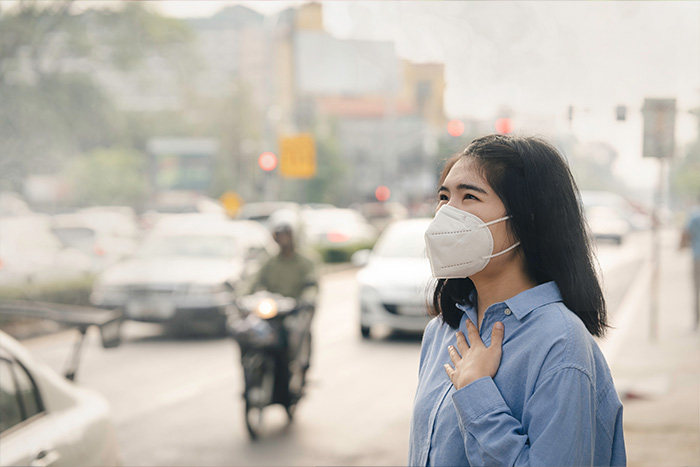
ในแต่ละวัน เราอาจกำลังสูดเอาฝุ่นละอองขนาดเล็กที่เรียกว่า PM2.5 เข้าสู่ร่างกายโดยไม่รู้ตัว โดยเฉพาะผู้ที่อาศัยอยู่ในเขตเมืองหรือพื้นที่ที่มีมลพิษทางอากาศสูง
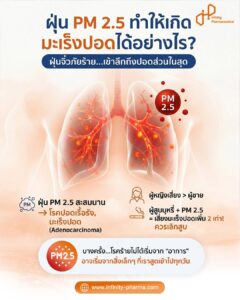
PM2.5 คือฝุ่นละอองขนาดเล็กมาก มีเส้นผ่านศูนย์กลางไม่เกิน 2.5 ไมครอน หรือเล็กกว่าเส้นผมมนุษย์หลายเท่า ด้วยขนาดที่เล็กมากนี้ ทำให้ฝุ่นสามารถผ่านระบบกรองตามธรรมชาติของทางเดินหายใจ และแทรกซึมลึกเข้าสู่ถุงลมปอดได้โดยตรง
PM2.5 ส่งผลต่อปอดอย่างไร?
เมื่อร่างกายได้รับ PM2.5 อย่างต่อเนื่อง ฝุ่นเหล่านี้อาจก่อให้เกิดการอักเสบของเนื้อเยื่อปอด ส่งผลให้การทำงานของปอดลดลง และเพิ่มความเสี่ยงต่อโรคระบบทางเดินหายใจต่าง ๆ
นอกจากนี้ งานวิจัยหลายฉบับยังพบว่า การสัมผัส PM2.5 ในระยะยาว อาจมีความสัมพันธ์กับความเสี่ยงที่เพิ่มขึ้นของโรคมะเร็งปอด แม้ในผู้ที่ไม่เคยสูบบุหรี่ก็ตาม
ใครบ้างที่ควรเฝ้าระวังเป็นพิเศษ?
กลุ่มบุคคลที่มีความเสี่ยงจากผลกระทบของ PM2.5 มากกว่าคนทั่วไป ได้แก่
- ผู้ที่อาศัยอยู่ในเขตเมืองหรือพื้นที่ที่มีมลพิษทางอากาศสูง
- ผู้สูบบุหรี่ หรือเคยสูบบุหรี่เป็นประจำ
- ผู้ที่ต้องสัมผัสฝุ่น ควัน หรือสารเคมีจากการทำงาน
- ผู้ที่มีประวัติคนในครอบครัวเป็นมะเร็งปอด
- ผู้สูงอายุ และผู้ที่มีโรคปอดเรื้อรัง
ป้องกันตัวเองจาก PM2.5 ได้อย่างไร?
แม้จะไม่สามารถหลีกเลี่ยงฝุ่น PM2.5 ได้ทั้งหมด แต่สามารถลดความเสี่ยงได้ด้วยการ
- ติดตามค่าฝุ่น PM2.5 เป็นประจำ
- สวมหน้ากากที่สามารถกรองฝุ่นขนาดเล็กได้ เช่น N95 เมื่ออยู่กลางแจ้ง
- หลีกเลี่ยงกิจกรรมกลางแจ้งในวันที่ค่าฝุ่นสูง
- ใช้เครื่องฟอกอากาศภายในบ้านหรือที่ทำงาน
- ตรวจสุขภาพและตรวจคัดกรองปอดตามความเหมาะสม โดยเฉพาะผู้ที่มีปัจจัยเสี่ยง
เพราะโรคร้ายอาจเริ่มจากสิ่งเล็ก ๆ ที่มองไม่เห็น
หลายครั้งโรคปอดและมะเร็งปอดในระยะแรกอาจไม่แสดงอาการชัดเจน การดูแลสุขภาพปอดตั้งแต่วันนี้ ลดการสัมผัสมลพิษทางอากาศ และเข้ารับการตรวจสุขภาพอย่างสม่ำเสมอ จึงเป็นอีกหนึ่งวิธีสำคัญในการลดความเสี่ยงและเพิ่มโอกาสในการตรวจพบความผิดปกติได้ตั้งแต่ระยะเริ่มต้น
We Are Breathing PM2.5 into Our Lungs Every Day—Without Realizing It
Every day, we may be inhaling tiny airborne particles known as PM2.5 without even noticing, especially those living in urban areas or regions with high levels of air pollution.
PM2.5 refers to fine particulate matter with a diameter of 2.5 micrometers or less—many times smaller than a human hair. Due to their extremely small size, these particles can bypass the body’s natural respiratory defenses and penetrate deep into the lungs, reaching the alveoli (air sacs) directly.
How Does PM2.5 Affect the Lungs?
Long-term exposure to PM2.5 can trigger inflammation within lung tissues, reduce lung function, and increase the risk of various respiratory diseases.
Several studies have also suggested that prolonged exposure to PM2.5 may be associated with an increased risk of lung cancer, even among individuals who have never smoked.
Who Should Be Especially Concerned?
Certain groups may be more vulnerable to the harmful effects of PM2.5, including:
- People living in urban areas or regions with high air pollution levels
- Current or former smokers
- Individuals exposed to dust, smoke, or chemicals in their workplace
- Those with a family history of lung cancer
- Older adults and people with chronic lung diseases
How Can You Protect Yourself from PM2.5?
While it may be impossible to avoid PM2.5 entirely, you can reduce your exposure and lower your risk by:
- Monitoring local PM2.5 air quality levels regularly
- Wearing a properly fitted N95 mask when outdoors
- Limiting outdoor activities on days with high pollution levels
- Using air purifiers at home or in the workplace
- Undergoing regular health check-ups and appropriate lung cancer screening, especially if you have risk factors
Serious Diseases Can Begin with Invisible Threats
Many lung diseases, including lung cancer in its early stages, may not cause noticeable symptoms. Protecting your lungs by minimizing exposure to air pollution and receiving regular health screenings can help reduce health risks and improve the chances of detecting abnormalities at an early, more treatable stage.