
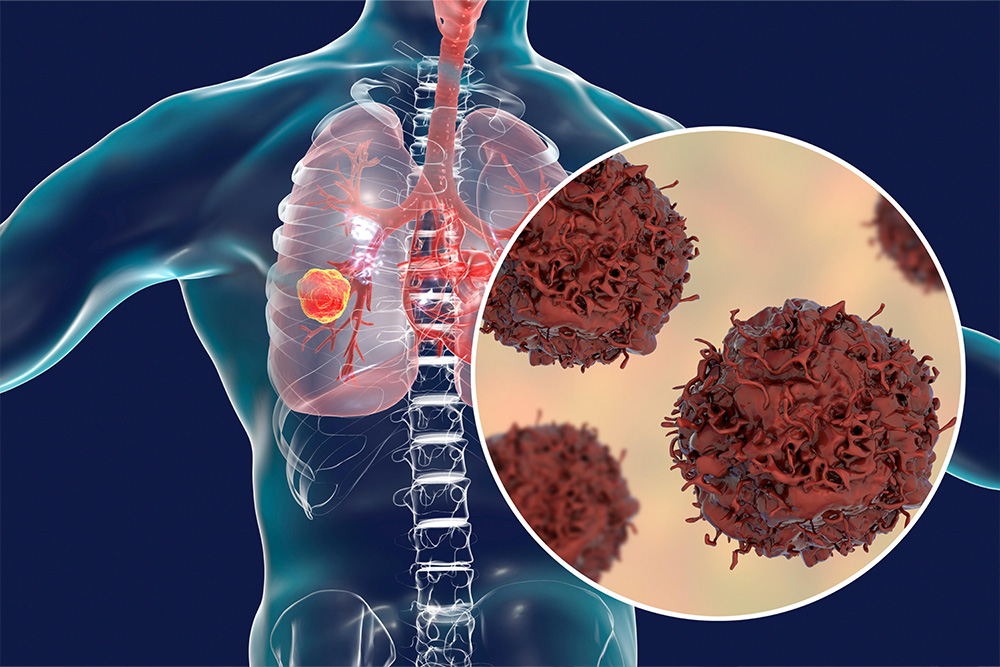
ทำไม “วัณโรค” ถึงเกิดที่ปอด?
Why Does Tuberculosis Commonly Affect the Lungs?
-
Infinity Pharmaceutical
- Blog
ทำไม “วัณโรค” ถึงเกิดที่ปอด?
วัณโรค (Tuberculosis หรือ TB) เป็นโรคติดเชื้อที่ยังคงพบได้ในปัจจุบัน โดยเฉพาะในประเทศกำลังพัฒนา รวมถึงประเทศไทย หลายคนอาจสงสัยว่าเหตุใดวัณโรคจึงมักเกิดที่ “ปอด” มากกว่าส่วนอื่นของร่างกาย คำตอบสำคัญอยู่ที่ “ช่องทางการรับเชื้อ”
วัณโรคติดต่อผ่านทางลมหายใจ
วัณโรคเกิดจากเชื้อแบคทีเรีย Mycobacterium tuberculosis ซึ่งสามารถแพร่กระจายผ่านทางอากาศได้ เมื่อผู้ป่วยวัณโรคปอดไอ จาม พูดคุย หรือขับเสมหะออกมา เชื้อโรคจะกระจายเป็นละอองฝอยขนาดเล็กที่สามารถลอยอยู่ในอากาศได้เป็นเวลานาน
เมื่อบุคคลอื่นสูดหายใจเอาละอองฝอยเหล่านี้เข้าไป เชื้อจะเดินทางผ่านทางเดินหายใจเข้าสู่ปอดโดยตรง ทำให้ปอดเป็นอวัยวะแรกที่สัมผัสเชื้อและเป็นตำแหน่งที่เกิดการติดเชื้อได้บ่อยที่สุด
เมื่อเชื้อเข้าสู่ปอด จะเกิดอะไรขึ้น?
หลังจากเชื้อวัณโรคเข้าสู่ปอด ร่างกายจะพยายามกำจัดเชื้อด้วยระบบภูมิคุ้มกัน
- หากภูมิคุ้มกันแข็งแรง ร่างกายอาจควบคุมหรือกำจัดเชื้อได้ ทำให้ไม่เกิดอาการป่วย
- หากภูมิคุ้มกันอ่อนแอ เชื้ออาจเพิ่มจำนวนและก่อให้เกิดการอักเสบของเนื้อปอด จนพัฒนาเป็นวัณโรคปอด
กลุ่มที่มีความเสี่ยงสูง ได้แก่
- ผู้ติดเชื้อ HIV
- ผู้ป่วยโรคมะเร็ง
- ผู้ที่ได้รับยาเคมีบำบัด
- ผู้สูงอายุ
- ผู้ที่มีภาวะภูมิคุ้มกันบกพร่อง
อาการของวัณโรคปอดที่ควรสังเกต
วัณโรคปอดมักมีอาการค่อยเป็นค่อยไป ทำให้หลายคนไม่ทันสังเกตความผิดปกติของตนเอง อาการที่พบบ่อย ได้แก่
- ไอเรื้อรังนานเกิน 2 สัปดาห์
- มีเสมหะหรือไอมีเลือดปน
- เหนื่อยง่าย อ่อนเพลีย
- น้ำหนักลดโดยไม่ทราบสาเหตุ
- เบื่ออาหาร
- มีไข้ต่ำ ๆ หรือเหงื่อออกมากตอนกลางคืน
หากมีอาการเหล่านี้ ควรรีบพบแพทย์เพื่อรับการตรวจวินิจฉัยเพิ่มเติม
วัณโรคป้องกันได้อย่างไร?
แม้ว่าวัณโรคจะเป็นโรคติดต่อทางอากาศ แต่สามารถลดความเสี่ยงในการติดเชื้อได้ด้วยการ
- สวมหน้ากากอนามัยเมื่ออยู่ในสถานที่แออัด
- ล้างมืออย่างสม่ำเสมอ
- หลีกเลี่ยงการใกล้ชิดผู้ป่วยวัณโรคที่ยังไม่ได้รับการรักษา
- รับประทานอาหารที่มีประโยชน์และพักผ่อนให้เพียงพอเพื่อเสริมสร้างภูมิคุ้มกัน
สรุป
วัณโรคมักเกิดที่ปอด เนื่องจากเชื้อวัณโรคเข้าสู่ร่างกายผ่านทางการหายใจ ทำให้ปอดเป็นอวัยวะแรกที่สัมผัสเชื้อและเป็นตำแหน่งหลักที่เกิดการติดเชื้อ หากได้รับการวินิจฉัยและรักษาตั้งแต่ระยะแรก วัณโรคสามารถรักษาให้หายขาดได้ ดังนั้นหากมีอาการไอเรื้อรังหรือมีปัจจัยเสี่ยง ควรรีบเข้ารับการตรวจจากแพทย์เพื่อป้องกันการแพร่กระจายของโรคและลดภาวะแทรกซ้อนที่อาจเกิดขึ้น
Tuberculosis (TB) is an infectious disease that continues to be a significant public health concern worldwide, particularly in developing countries, including Thailand. Many people wonder why tuberculosis most commonly affects the lungsrather than other parts of the body. The answer lies in the route of infection.
Tuberculosis Spreads Through the Air
Tuberculosis is caused by the bacterium Mycobacterium tuberculosis, which spreads through airborne droplets. When a person with pulmonary tuberculosis coughs, sneezes, speaks, or expels respiratory secretions, tiny droplets containing the bacteria are released into the air.
These droplets can remain suspended in the air for extended periods. When another person inhales them, the bacteria enter the respiratory tract and travel directly to the lungs. As a result, the lungs become the first organ exposed to the infection and the most common site where TB develops.
What Happens After the Bacteria Enter the Lungs?
Once TB bacteria reach the lungs, the body’s immune system attempts to eliminate them.
- If the immune system is strong, it may successfully control or destroy the bacteria, preventing active disease.
- If the immune system is weakened, the bacteria can multiply, causing inflammation and damage to lung tissue, eventually leading to pulmonary tuberculosis.
People at higher risk of developing active TB include:
- Individuals living with HIV/AIDS
- Cancer patients
- People undergoing chemotherapy
- Older adults
- Individuals with weakened immune systems
Symptoms of Pulmonary Tuberculosis
Tuberculosis often develops gradually, making it easy to overlook the early signs. Common symptoms include:
- A persistent cough lasting more than 2 weeks
- Coughing up sputum or blood
- Fatigue and weakness
- Unexplained weight loss
- Loss of appetite
- Low-grade fever
- Night sweats
Anyone experiencing these symptoms should seek medical evaluation promptly for proper diagnosis and treatment.
How Can Tuberculosis Be Prevented?
Although TB is an airborne disease, the risk of infection can be reduced by:
- Wearing a face mask in crowded or poorly ventilated areas
- Washing hands regularly
- Avoiding close contact with individuals who have untreated active TB
- Maintaining a healthy immune system through proper nutrition and adequate rest
Conclusion
Tuberculosis most commonly affects the lungs because the bacteria enter the body through inhalation, making the lungs the first and primary site of infection. Early diagnosis and appropriate treatment can effectively cure tuberculosis and help prevent its spread. If you experience a persistent cough or have risk factors for TB, consult a healthcare professional for further evaluation as early as possible.